Tour Overview
Tanzania's greatest hits in three days: the endless plains of the Serengeti and the wildlife amphitheatre of the Ngorongoro Crater. This is a fast-paced road safari from Arusha — long driving days — but it places you amid the Great Migration (roughly December–July in different Serengeti sectors), cheetah on termite mounds and crater-floor rhino in one short trip.
You cross the Ngorongoro Conservation Area via Naabi Hill gate into the Serengeti, overnight in central or southern Seronera/South zones, then return through the highlands for a crater descent. Fly-in variants are available on request to reduce road time.
Day 1
Arusha to Serengeti National Park — plains and migration country
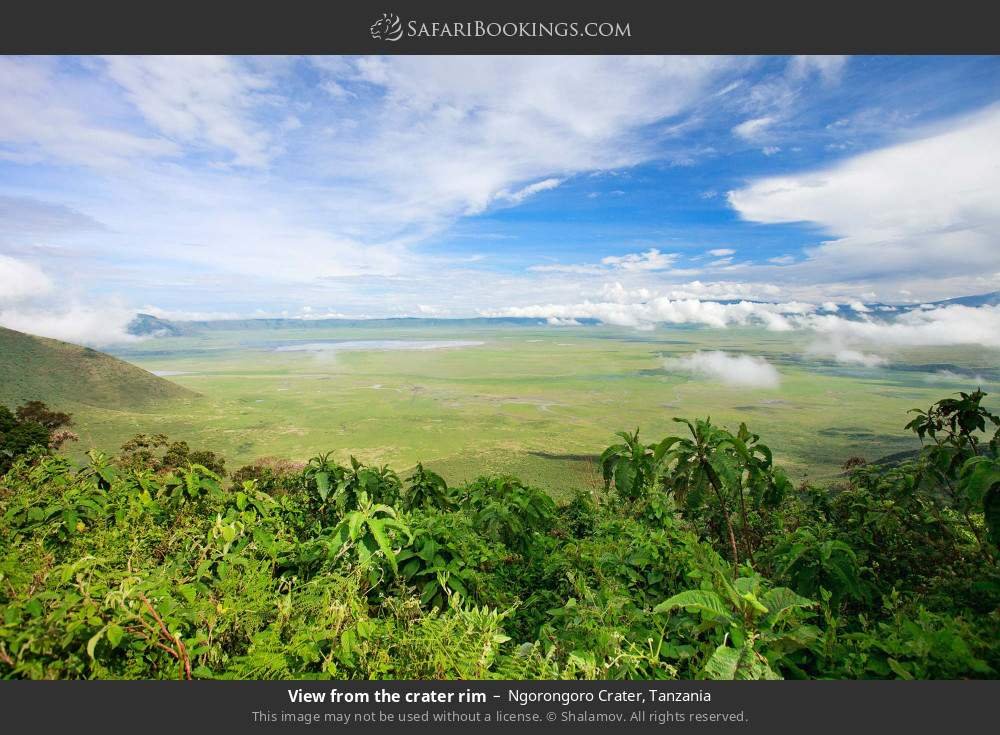
Your private 4×4 safari vehicle and English-speaking driver-guide collect you from Arusha, Moshi or Kilimanjaro International Airport (JRO) for a very early departure — typically 6:00–7:00 am — on the longest transfer day of the itinerary. The road climbs through the Great Rift Valley escarpment past Lake Manyara's blue soda lake (visible from the rim on clear mornings), then enters the Ngorongoro Conservation Area where Maasai bomas dot the highland grasslands and cattle share the road with safari vehicles.
At Naabi Hill Gate you complete Tanzania National Parks registration and pause at the viewpoint over the Serengeti plains — the moment the landscape opens to short-grass savannah stretching to the horizon. Optional stop at Olduvai Gorge (museum entry fee extra) adds palaeoanthropology context: this is where Louis and Mary Leakey unearthed early hominid fossils that reshaped our understanding of human origins. Total driving time from Arusha to your first Serengeti game drive is typically 7–8 hours including lunch and gate formalities.
Serengeti callout: Serengeti National Park covers 14,750 km² of plains, acacia woodland and river corridors in northern Tanzania — the stage for the Great Migration, Africa's largest terrestrial mammal movement. Roughly 1.5 million wildebeest, 200,000 zebra and 300,000 Thomson's gazelle circulate through the ecosystem year-round; your camp sector is matched to the calendar at booking. Southern Ndutu and the short-grass plains host calving and cheetah action January–March; the Western Corridor and Grumeti River draw herds and crocodile crossings May–July; northern Kogatende and the Mara River sector peak July–October. Resident lion prides, leopard on kopjes and cheetah on termite mounds reward visitors even when migration columns lie outside your assigned zone.
Day 2
Full day Serengeti National Park — dawn to dusk on the plains
Pre-dawn tea at camp, then a sunrise game drive when predators hunt in the cool hours — lion at recent kills, spotted hyena circling carcasses and cheetah scanning from termite mounds before the heat builds. Full-day exploration across Serengeti woodlands and open grassland; your guide tracks migration movement or resident predator territories using radio reports from other vehicles and ranger updates from park HQ.
Serengeti callout: The central Seronera Valley holds year-round cat density — leopard in sausage trees along the river, lion prides on the plains and cheetah on the short-grass flats. Kopjes (granite outcrops) shelter lion cubs and leopard; Simba Kopje and Moru Kopje are classic photo stops. Seasonal routing may push you toward Ndutu for calving wildebeest and attendant cheetah; the Western Corridor for hippo pools and Grumeti crocodiles; or northern woodlands when herds push toward Kenya's Maasai Mara. Picnic lunch on the plains — the defining Serengeti experience — with tables set under acacia shade and cold drinks from the cool box. Watch for serval in tall grass, eland herds, topi on short-grass plains, Grant's gazelle, ostrich pairs and vultures spiralling over recent kills.
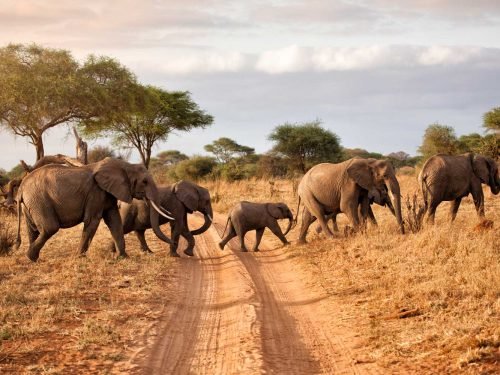
Midday rest at camp during the hottest hours if your lodge sits inside the park boundary; otherwise a shaded picnic break before the afternoon loop targets fresh sightings — perhaps a river crossing build-up, a cheetah stalk or elephant herds at a water pan. Evening return as the sun sets over acacia silhouettes — one of Africa's most photographed moments. Optional balloon safari over the Serengeti (pre-booked supplement, typically Day 2 dawn) adds a silent aerial perspective over the migration; your ground vehicle meets you for a champagne bush breakfast after landing.
Day 3
Serengeti morning and Ngorongoro Crater — Big Five finale
Early morning game drive as predators hunt in the final cool hours, then exit Serengeti via Naabi Hill and climb into the Ngorongoro highlands — Maasai herders with cattle and donkeys share the track as the landscape rises toward the crater rim. The drive from Serengeti exit to the crater descent point typically takes 4–5 hours including a highlands lunch stop near Karatu or a packed picnic on the rim.
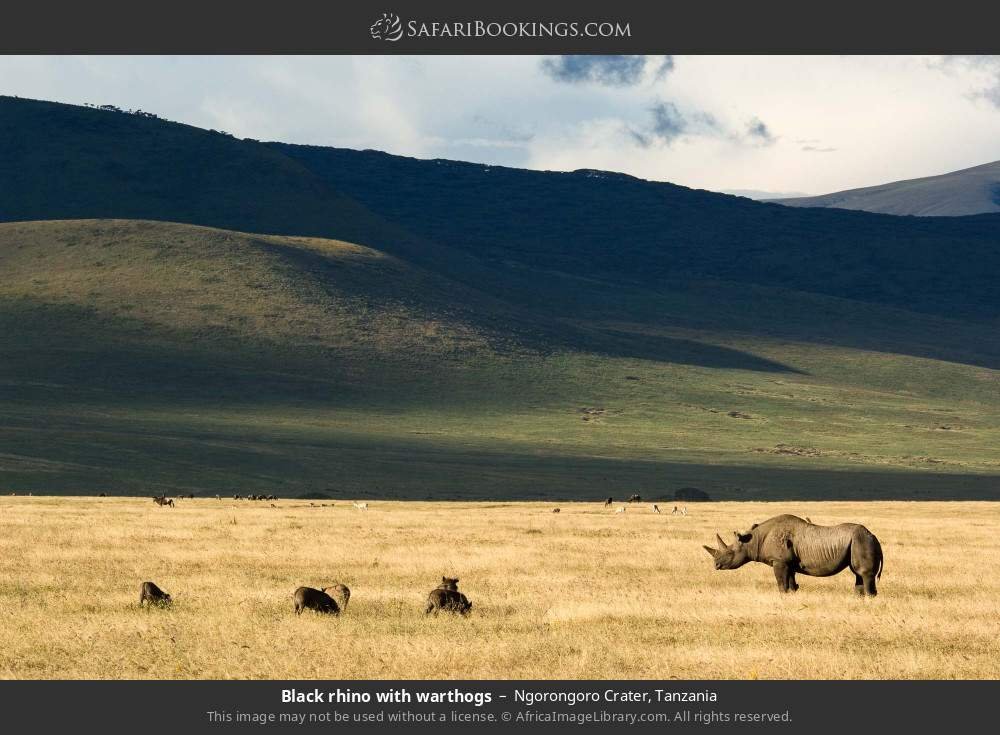
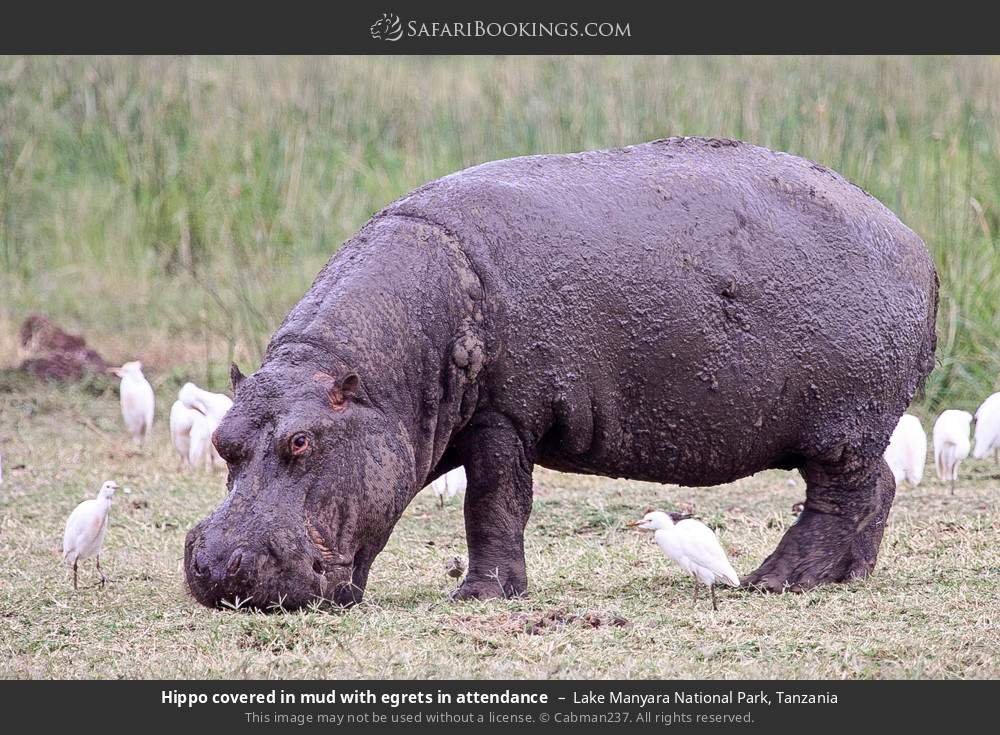
Ngorongoro callout: The Ngorongoro Crater is the world's largest intact unflooded volcanic caldera at 260 km², holding roughly 25,000 large mammals within its walls — one of Africa's highest wildlife densities in a single morning. Park rules limit crater-floor time to six hours, so an early descent maximises viewing. Target black rhino on the Lerai Forest edge (one of Tanzania's most reliable crater sightings), hippo pools at Ngoitoktok Springs, flamingos on Lake Magadi when water levels suit, golden jackal, spotted hyena and some of East Africa's densest lion populations. Large tusker elephants and buffalo herds graze the crater grasslands year-round.
Picnic lunch at Ngoitoktok hippo pool overlook or a designated crater picnic site. Ascend the steep rim road in mid-afternoon and continue toward Arusha or Moshi — expect arrival evening after a long final day (approx. 3 hours crater rim to Arusha). Alternatively overnight at a Karatu lodge and return on a relaxed morning Day 4 if you prefer a gentler pace (ask when booking). Three days on Tanzania's flagship plains and caldera floor delivers migration drama, Serengeti cats and Ngorongoro rhino in one compact Northern Circuit loop from Arusha.
Places You Visit
Arusha, Ngorongoro Conservation Area, Serengeti National Park, Ngorongoro Crater, Arusha
Book Your Tanzania Safari
Fill out the form below and your booking details will be sent directly to our WhatsApp.